The Best Caribbean Food in Denver for Casual Dining
Denver is not the first city most people associate with Caribbean cooking. You do not land here expecting a block lined with roti shops, jerk smoke drifting across an avenue, or three competing bakeries arguing over whose guava pastry wins. What you do find, though, is a smaller, more scattered scene with pockets of real quality, especially if your goal is a relaxed meal rather than a special-occasion tasting menu.
That distinction matters. Casual dining is where Caribbean food tends to shine anyway. The best versions are generous, aromatic, and built for appetite. Rice and peas should come in a proper mound, not a decorative scoop. Oxtail should feel slow-cooked and unhurried. A Cuban sandwich should arrive pressed and hot, with crisp edges and enough mustard to cut through the richness. These are foods with backbone. They do not need polish as much as they need balance, heat, and confidence.
If you are looking for the best caribbean food denver has for casual dining, the search usually narrows to a few styles that travel especially well in this city: Jamaican, Cuban, and the occasional pan-Caribbean kitchen that blends influences from across the islands. Denver’s Caribbean options are not vast, but several places understand the assignment. They serve food that feels rooted, filling, and worth returning for on an ordinary weeknight.
What “best” looks like in a casual Caribbean restaurant
A lot of people judge Caribbean food by the wrong standard. They chase novelty when they should be paying attention to fundamentals. In a casual restaurant, the signs of quality are straightforward.
The first is aroma. Good Caribbean cooking announces itself early. You should smell allspice, thyme, garlic, Scotch bonnet, citrus, or slow-braised meat before the plate even lands. If a jerk plate arrives and gives off almost no fragrance, something has gone wrong. The second is moisture. This is especially true in Denver, where the dry air exposes weak kitchens fast. Jerk chicken can have char and still stay juicy. Pernil can be roast-crisp on the outside and tender inside. Rice should be distinct but never dusty.
Then there is proportion. Casual Caribbean dining is not about tiny portions and dramatic plating. It is about a balanced plate that eats well from first bite to last. You want enough sauce to carry through the rice, enough acid or heat to keep things lively, and sides that are more than filler. Plantains, yuca, black beans, cabbage slaw, and coco bread all have a job to do.
That is the framework I use when sorting good from merely acceptable. In Denver, that approach quickly brings a few names to the surface.
The strongest anchor in the city: Cuban comfort with range
For many Denver diners, Cuban food is the most accessible entry point into Caribbean cuisine, and for good reason. It tends to fit naturally into a casual dining rhythm. Sandwiches, roast pork, black beans, croquettes, and sweet pastries all make sense for lunch, dinner, or a drawn-out weekend meal.
Cuba Cuba has long been one of the city’s best-known names in this lane, and there is a reason it continues to come up in local recommendations. The menu is broad enough for mixed groups, which matters in casual dining. One person can order a Cuban sandwich, another can go for ropa vieja or lechón, and somebody else can settle into a plate of arroz con pollo without feeling like they are compromising. That kind of flexibility is underrated. A restaurant becomes part of people’s regular rotation not only because the food is good, but because it works for real life.
At its best, Cuban cooking in Denver delivers exactly what a casual meal should. Roast pork is savory and citrusy. Black beans bring earthiness rather than just salt. Pressed sandwiches provide contrast, soft bread against crisp exterior, ham and pork against pickles and mustard. The pleasure is immediate. There is no learning curve.
Cuba Bakery & Cafe, in the greater Denver metro, is another kind of casual Caribbean success story. Bakery-cafe formats often outperform more ambitious concepts because they stay close to what people actually crave on repeat visits. A strong bakery counter, solid café dishes, and coffee that holds up can make a place indispensable. This is the kind of stop that rewards appetite rather than ceremony. If you go early enough for pastry and coffee, or later for a sandwich and a fuller plate, you get the same thing people want from neighborhood dining: consistency.
That is one of the key truths about Caribbean food in Denver. Sometimes the best meal is not the most elaborate one. It is the one that feels lived-in.
Where Jamaican cooking tends to stand out
If Cuban spots form one backbone of the scene, Jamaican food supplies much of the soul. This is often where Denver’s Caribbean food feels most direct, most aromatic, and most likely to win loyalty from diners who care deeply about seasoning.
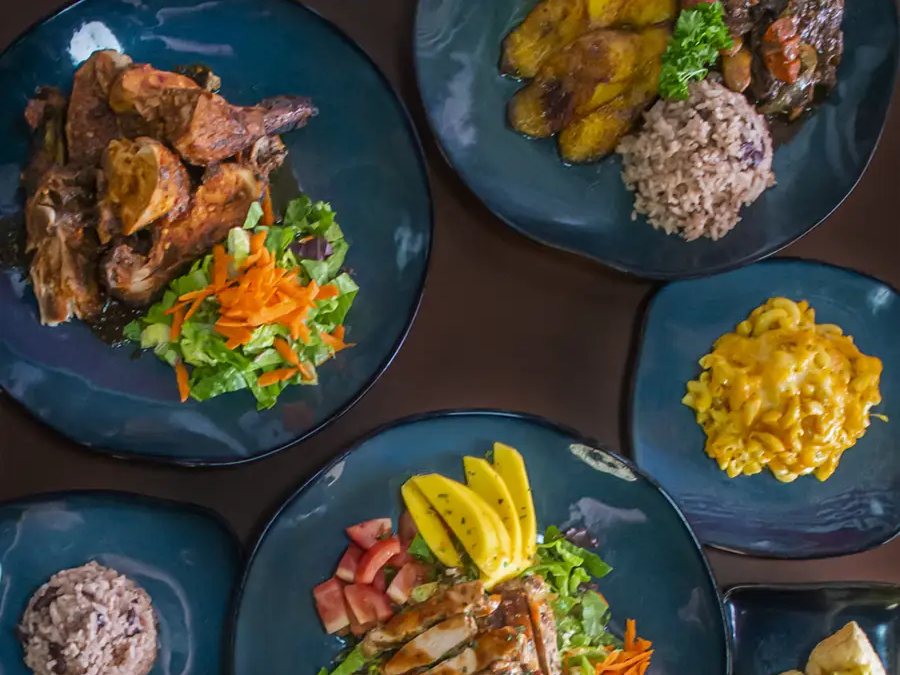
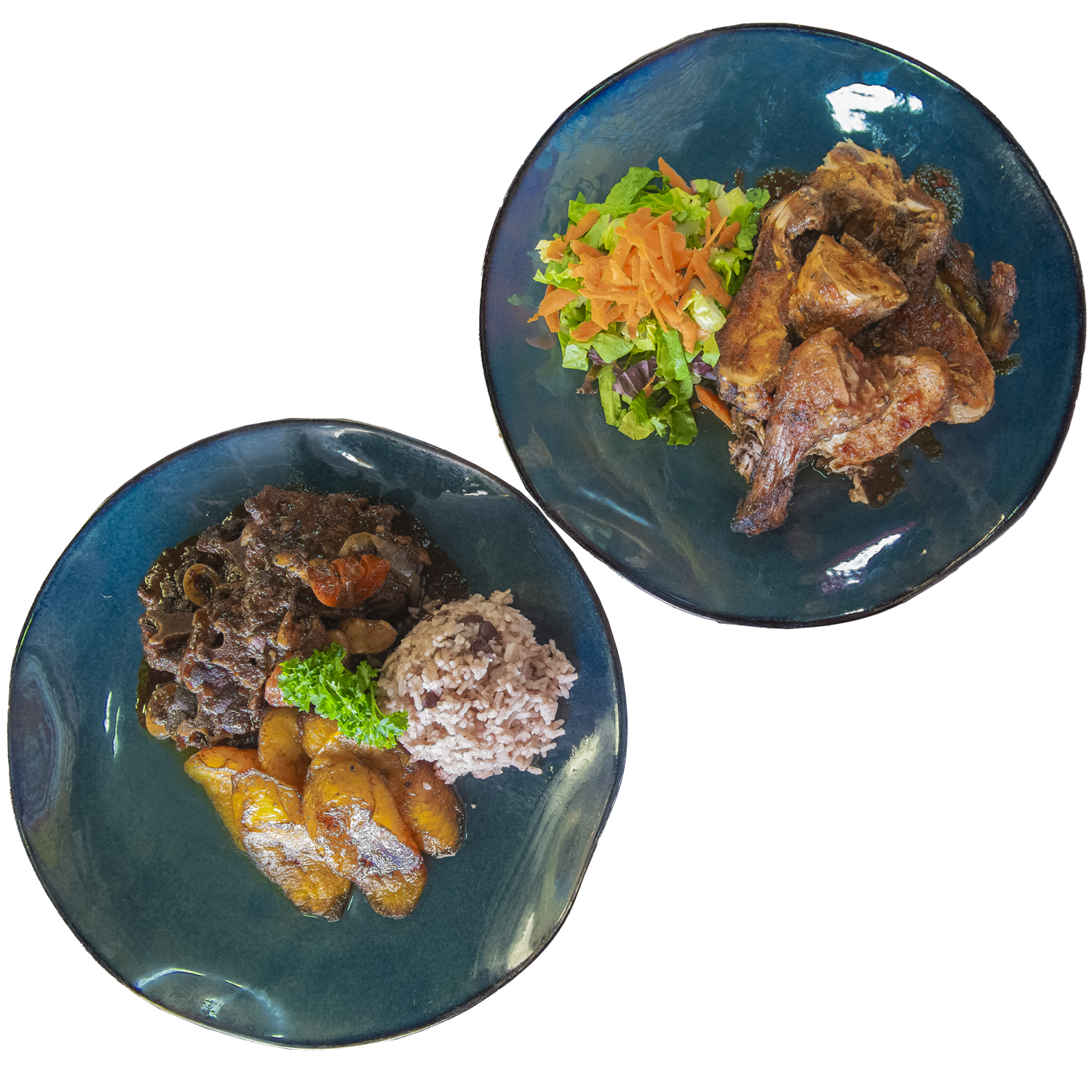
A good Jamaican kitchen rarely hides. The food carries smoke, spice, sweetness, and herbal depth all at once. Jerk chicken is the obvious benchmark, but it is not the only one. Curry goat, braised oxtail, brown stew chicken, patties, cabbage, and rice and peas tell you more about the kitchen’s range. A one-note spice profile can get through a sandwich. It cannot carry a whole steam-table lineup.
Jamaican Grill is one of the names that comes up regularly when locals talk about where to get that style in the Denver area. As with many beloved casual spots, the appeal is not just a signature item. It is the complete plate. You want the chicken to have real marinade penetration, not just a hot glaze on the exterior. You want the rice and peas to taste like they belong to the protein. You want cabbage that still has a little life to it. When those details are in place, the meal feels coherent.
Jamaican food also holds up particularly well in a casual setting because it is built around depth rather than delicacy. Oxtail can sit in its own glossy braising liquid and improve as you work through the plate. Curry goat can stay comforting and intense. Even a patty, when done right, gives you that essential combination of flaky crust and spiced filling that makes handheld food memorable rather than merely convenient.
Denver’s altitude and dryness can be unkind to cooked meats, especially chicken, but strong Jamaican kitchens compensate with marinade, braising, and patient cooking. That is one reason they often outperform trendier places. Technique matters, but so does restraint. Jerk needs char, not cremation. Curry needs warmth and body, not muddy heaviness.
The challenge and charm of Denver’s Caribbean scene
Part of the fun of eating Caribbean food in Denver is that the scene still requires a little curiosity. This is not a city where every neighborhood has a clear, established Caribbean corridor. Good meals may be spread across Denver proper, Aurora, and surrounding suburbs. You may find your favorite pressed Cuban sandwich in one part of town and your preferred jerk plate in another.
That can frustrate people who want a neat top-ten ranking. In practice, though, it means the best casual Caribbean dining here is shaped less by hype and more by repeat customers. Restaurants survive because people genuinely come back for lunch specials, takeout dinners, and family meals.
It also means menus can be uneven in interesting ways. One restaurant may have excellent roasted pork and average beans. Another may produce a standout oxtail plate but a forgettable appetizer selection. Casual dining is about knowing what each place does best and ordering accordingly.
If you are dining with a group, this becomes an advantage. Caribbean menus often reward sharing. A table that orders a sandwich, a braised plate, a side of plantains, and a pastry or two gets a much better read on the restaurant than someone who samples one item in isolation. You start to notice whether the kitchen handles both dry and sauced dishes well, whether starches are treated with care, whether sweetness is balanced against acid and spice.
What to order first if you are new to the scene
If you are trying to get a reliable sense of a place without overthinking it, start with the dishes that reveal the kitchen’s habits.
- Jerk chicken, because it tests seasoning, smoke, and moisture all at once.
- Oxtail or braised beef, because slow cooking exposes patience and balance.
- A Cuban sandwich, because construction matters and bad ratios show immediately.
- Rice and beans or rice and peas, because sides often reveal the real standard of the kitchen.
- Plantains or yuca, because texture tells you whether the fry station is paying attention.
Those five dishes cover a lot of ground. They also reflect how most people actually eat when they are exploring caribbean food denver options for casual meals. You are not looking for spectacle. You are looking for repeatability.
Why casual Caribbean dining works so well in Denver
Denver is a city that likes food with substance. People eat after hikes, after long workdays, before caribbean food denver concerts, after flights, and in between weekend errands. Meals that can bridge hunger and comfort do well here. Caribbean food is naturally suited to that rhythm.
It also benefits from being versatile in mood. A Cuban café can serve a solo lunch just as well as a date. A Jamaican restaurant can work for takeout on a cold night or an easy group dinner where everyone orders something different. The food travels better than many cuisines, which matters in a city where takeout and delivery remain part of the regular dining equation.
There is another practical advantage. Casual Caribbean menus often give you a lot of flavor without requiring a huge leap from diners who are unfamiliar with the cuisine. Someone who is hesitant about trying something entirely new can ease in with a sandwich, roast pork, chicken and rice, or empanada-style pastry. More adventurous diners can pivot toward oxtail, curry goat, or stronger pepper heat. That flexibility makes Caribbean restaurants unusually welcoming for mixed company.
I have seen this play out countless times in groups where one person wants comfort food, one wants spice, one wants something substantial but not formal, and one simply wants a good cocktail and a sandwich. Caribbean spots can satisfy all four without straining.
The gap between a decent meal and a memorable one
A lot of restaurants can produce a decent Caribbean plate. Fewer produce one that lingers in your mind three days later. The difference is usually not complexity. It is conviction.
Take plantains. Mediocre plantains are just sweet and soft. Great plantains have caramelized edges, enough salt to sharpen the sugars, and a clear role on the plate. The same goes for black beans. They should have body and savoriness, not just color and heat. Even a Cuban sandwich, which many kitchens reduce to a checklist of ingredients, becomes memorable only when the bread, ratio, and press time align.
This is where repeat visits help. Casual restaurants reveal themselves over time. Your first meal might be excellent because you accidentally ordered the strongest dish on the menu. The second visit tells you whether the quality runs deeper. Can the kitchen handle both lunch and dinner well? Are braised dishes as good on a Tuesday as on a Saturday? Do sides still matter when the restaurant is busy?
The best Caribbean food in Denver earns trust precisely this way. Not by being perfect on every plate, but by being reliably satisfying across the menu’s core items.
A note on spice, expectations, and ordering smart
People often misunderstand heat in Caribbean food. They either expect everything to be fiery or assume that anything labeled “jerk” will taste like a generic spicy grill rub. Neither assumption helps.
Real Caribbean seasoning is layered. Heat may come from Scotch bonnet or similar peppers, but it should sit inside a fuller structure of allspice, thyme, garlic, onion, citrus, scallion, and smoke. That means a dish can be very flavorful without being punishingly caribbean food denver hot. It also means asking a restaurant to make everything “extra spicy” is not always the smartest move. Sometimes you end up drowning out what the kitchen already built.
If you are ordering for a group, it helps to balance the table. Something smoky, something braised, something crisp or pressed, and at least one starchy side beyond plain rice usually creates the most satisfying spread. Caribbean menus are designed for interplay. Acid cuts richness, sweetness cools heat, soft textures need crunchy contrast.
How to tell whether a place is worth revisiting
The strongest casual restaurants tend to show the same habits every time. They season starches, not just proteins. Their fried elements arrive crisp rather than tired. Their sauces do not taste poured from a hotel pan without attention. They know how to move food quickly without stripping it of character.
Here are the signs I trust most after a first visit:
- The sides taste intentional, not obligatory.
- The meat holds moisture, especially chicken and pork.
- Sweetness, salt, acid, and heat feel balanced rather than stacked.
- The portion size fits the price and the style of cuisine.
- You immediately know what you would order next time.
That last point matters more than people admit. A memorable casual restaurant creates return desire. You leave already thinking about the sandwich you did not order, the curry you saw on another table, or the pastry case you rushed past on the way in.
The best strategy for finding great Caribbean food in Denver
Because the scene is compact, your best strategy is not to hunt for quantity. It is to learn the strengths of a few reliable spots and rotate based on what you want that day.
If you want a sit-down meal with broad appeal, Cuban restaurants often make the easiest choice. They work for lunch meetings, relaxed dinners, and visitors who want a taste of Caribbean flavor without diving straight into the deepest end. If you are chasing spice, smoke, and long-cooked meats, Jamaican kitchens are often the better play. If you see a pop-up, market stall, or bakery case attached to a Caribbean operation, do not ignore it. Some of the most satisfying bites in this category come from places with modest setups and very clear priorities.
It also pays to order with specificity. Ask what is moving well that day. At a good casual restaurant, the answer is often revealing. If the person at the counter lights up when they mention the oxtail or the roast pork, listen. These places usually know their own strengths.
Where Denver gets it right
The best thing about Caribbean food in Denver is that it rarely feels like a gimmick when you find a good place. It feels useful in the best sense of the word. Useful for lunch with a friend. Useful for feeding a table of hungry people. Useful for takeout when you want something that tastes like someone cooked it with time and purpose.
That is why the city’s strongest casual Caribbean spots, especially established Cuban cafes and dependable Jamaican kitchens, matter more than their number might suggest. They add a style of hospitality and flavor that Denver benefits from, hearty without being blunt, comforting without being boring, and often more nuanced than first-time diners expect.
If you are exploring caribbean food denver for the first time, start with the places that have staying power and order the dishes that show their fundamentals. Look for moisture, aroma, and balance. Notice whether the sides can stand on their own. Pay attention to whether the food feels assembled or cooked. Casual dining is where these cuisines reveal their strengths most honestly.
And when you find a plate of jerk chicken with real smoke, rice and peas that carry flavor all the way through, or a Cuban sandwich that crackles under the press and still stays tender inside, do what regulars do. Come back hungry, bring someone with you, and order one more thing than you think you need.
Reggae Pot Jamaican Grill
2243 S Monaco St Pkwy, Suite 104
Denver, CO 80222
(720) 410-2956
FAQ About caribbean food denver
What is a typical Caribbean meal?
Caribbean cuisines vary by island. A Jamaican meal might pair jerk chicken or oxtail with sides such as rice and peas, cabbage, or fried plantains.
What is Jamaica’s national dish?
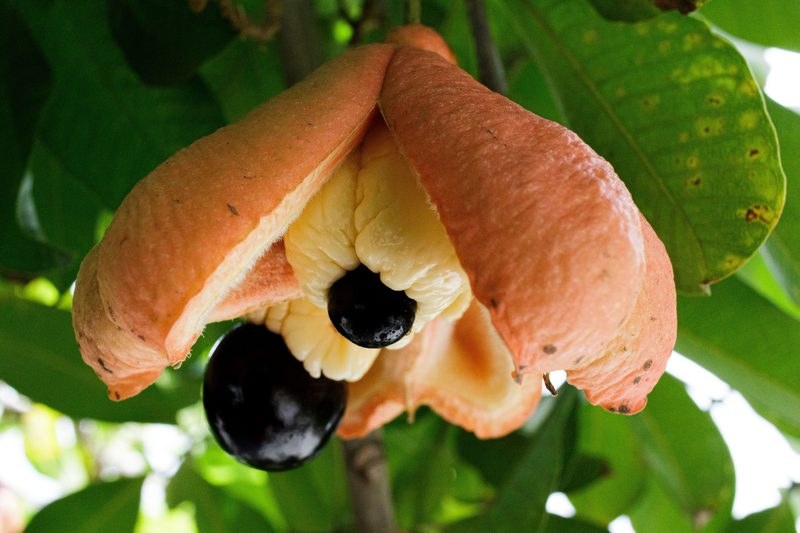
Ackee and saltfish is widely recognized as Jamaica’s national dish. Check the current menu for availability.
Is Caribbean jerk the same as Jamaican jerk?
Jerk is a Jamaican cooking tradition associated with seasoning and slow cooking or grilling. The exact heat level and preparation vary by cook.