Island Comfort on a Plate: Jamaican Food You’ll Crave
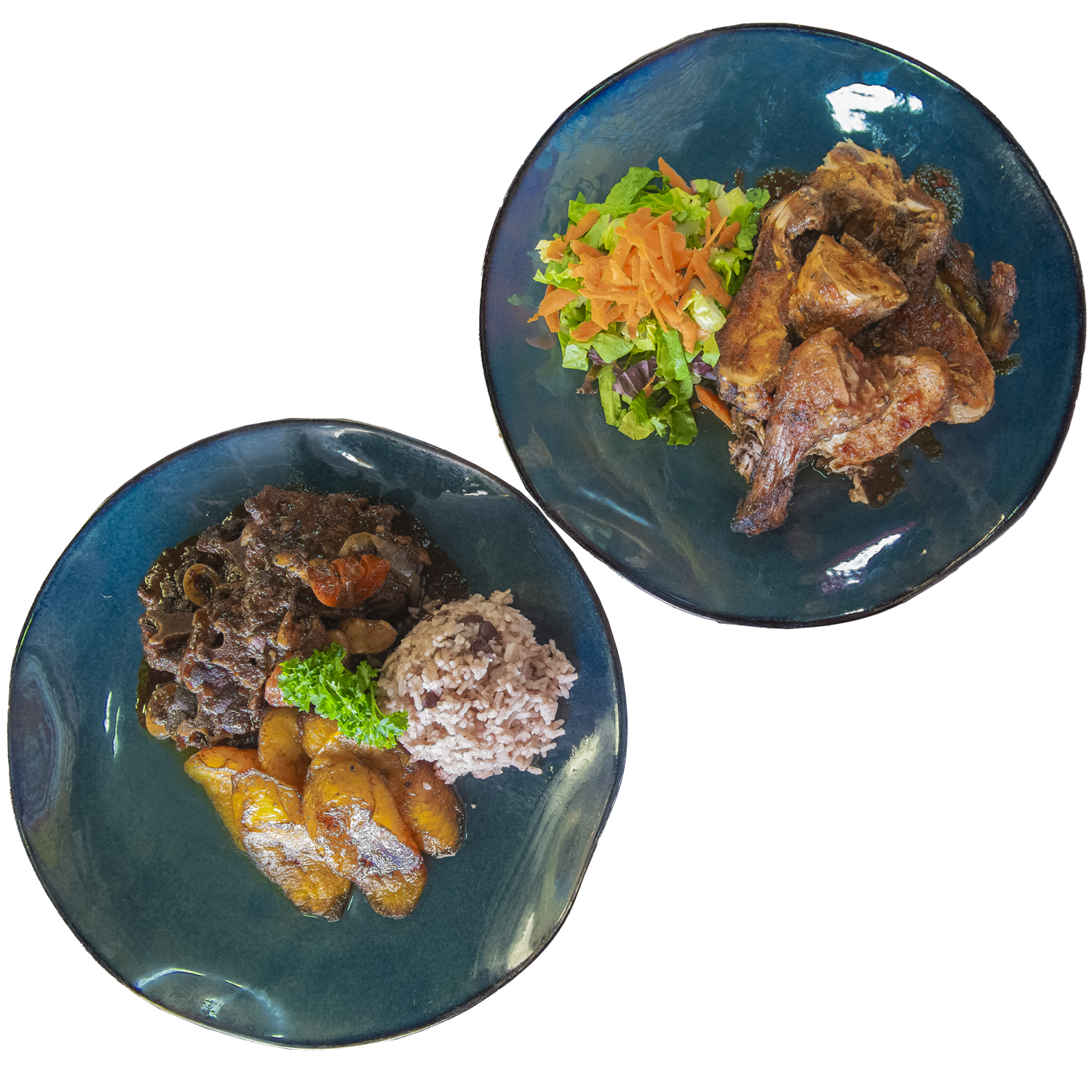
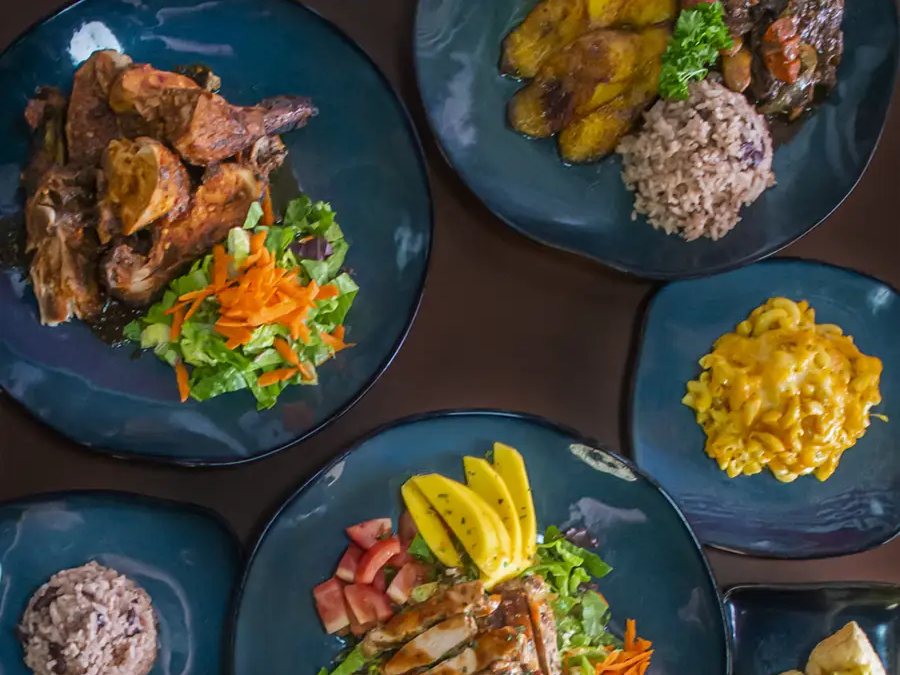
Few cuisines deliver comfort with the same confidence as Jamaican food. It is generous, aromatic, and deeply tied to place. One plate can carry smoke from a jerk pan, the sweetness of fried plantain, the earthy heft of peas and rice, and the bright sting of Scotch bonnet pepper. It feeds hunger, of course, but it also carries memory. For many people with Jamaican roots, these dishes are family history. For everyone else, they tend to become cravings after the first real taste.
What makes Jamaican food so compelling is not only flavor, though flavor is the obvious first answer. It is the balance. Heat is rarely just heat. Spice is rounded by sweetness, sharpened with thyme, softened by coconut milk, or grounded by slow-cooked starches that make a meal feel complete. Even dishes that look simple can have remarkable depth. A bowl of soup, a flaky patty, or a piece of fried fish eaten by the roadside can tell you a great deal about the island’s cooking culture.
The best Jamaican meals I have had were never trying to impress me. They were trying to satisfy me. There is a difference. Satisfying food knows how to build pleasure over time. The first bite draws you in, but the fifth is better because the seasoning opens up and the textures begin to matter more. The crispy edge on a festival. The soft grain of rice that has absorbed coconut and scallion. The pepper bite that arrives a second late. Jamaican food understands that rhythm instinctively.
Why Jamaican food leaves such a strong impression
Jamaica’s food reflects a long history of movement, adaptation, and skill. African cooking traditions shaped the backbone of many dishes. Indigenous ingredients and techniques matter too, as do British, Spanish, Indian, Chinese, and Middle Eastern influences that arrived over centuries. That mix did not create a confused cuisine. It created one of the clearest culinary identities in the Caribbean.
You can taste that identity in the way spices are used. Allspice, called pimento in Jamaica, is foundational. Thyme appears so often that many cooks reach for it almost automatically. Scotch bonnet peppers bring fruitiness along with serious heat. Ginger, scallion, garlic, nutmeg, cinnamon, and clove all show up in different contexts, especially in marinades, stews, baked goods, and drinks. Coconut milk contributes richness without turning dishes heavy in the wrong way. Tamarind, escovitch pickling liquid, and citrus cut through fat and keep the palate alert.
Technique matters just as much as seasoning. A proper brown stew is not rushed. Oxtail needs time for collagen to melt and the gravy to thicken. Jerk, when done well, is not simply meat covered in hot spice. It is a layered marinade, often with pimento and thyme at its core, and smoke plays a leading role. Rice and peas, a Sunday staple in many homes, sounds modest until you realize how carefully the pot is built for texture and aroma.
This is also a cuisine that respects appetite. Plates are often substantial, and they should be. Jamaican food developed in homes, markets, roadside stalls, and community gatherings where value and satiety mattered. You feel that practicality in the best way. A good meal should taste of care, but it should also carry you through the day.
The dishes most people fall for first
For many newcomers, the entry point is jerk chicken. That makes sense. Jerk is bold, memorable, and immediately recognizable. Yet restaurant versions vary wildly. Some are excellent, with the right balance of smoke, spice, and slight sweetness. Others flatten the style into simple chile heat. Real jerk should smell of pimento wood if it is cooked traditionally, or at least capture some of that fragrant smokiness. The seasoning should penetrate the meat, not sit on the surface like an afterthought. The chicken should be juicy, with charred edges that concentrate flavor.
Then there is curry goat, one of the great comfort dishes in Jamaican cooking. A good version has tenderness without collapse. The meat should hold together but yield easily, and the gravy should be rich with turmeric, allspice, garlic, and the warm, savory perfume of curry powder cooked properly in fat. Goat has a distinct flavor that rewards spice, and Jamaican cooks know how to bring that harmony into focus. Served with rice and peas, it is the kind of meal that quiets a table for a minute.
Oxtail may be the most luxurious everyday dish in the canon. It used to be considered a humble cut, the sort of ingredient that demanded patience more than money. That has changed in many markets, where oxtail is now expensive, but the cooking logic remains the same. Slow braising transforms it into something glossy and deeply savory. Butter beans often join the pot near the end, adding creaminess and making the sauce more generous. When people talk about Jamaican food as soul-satisfying, this is often what they mean.
Ackee and saltfish deserves its status as Jamaica’s national dish. Ackee can be unfamiliar to first-time eaters because of its soft, almost scrambled texture, but it is one of the most distinctive ingredients in Caribbean cooking. Sautéed with salted cod, onion, tomato, scallion, thyme, and pepper, it becomes savory, rich, and strangely elegant. The saltfish brings structure and umami. The ackee brings a buttery delicacy. Served with fried dumplings, breadfruit, boiled green banana, or yam, it can be breakfast, brunch, or a serious midday meal.
Patty culture also deserves respect. A Jamaican patty is not just a quick snack. At its best, it is an exercise in contrast. The pastry should be tender and flaky, with a golden crust often tinted by turmeric or curry. The filling, whether beef, chicken, vegetable, or saltfish, should be moist, well seasoned, and compact enough to eat without disaster. The classic move is to eat a patty on its own, hot from the case. The more filling move, beloved by students and workers for good reason, is a patty tucked into soft coco bread.
The supporting cast that often steals the meal
If you judge Jamaican food only by its famous meats, you miss half the pleasure. The side dishes are not decorative. They are essential to how the meal works.
Rice and peas is the first example. Outside Jamaica, people sometimes assume the name refers to green peas. In practice, the dish is usually made with kidney beans or gungo peas, depending on the occasion and the season. Coconut milk, thyme, scallion, garlic, and Scotch bonnet often flavor the pot. When cooked correctly, the rice stays separate, fragrant, and slightly creamy, never mushy. It acts as ballast for spicier mains and soaks up gravies beautifully.
Festival, those slightly sweet fried dough sticks, can make almost anything more enjoyable. They are especially good with fried fish or jerk, because the https://privatebin.net/?01cf6d871946e91b#3LgxQFRG8tJyTA4WdzUpHW5T5ceeBKcjyR8AFv5ipHyF sweetness softens the edge of pepper and smoke. Fried plantain serves a related role but with more fruit character and a softer bite. Good plantain should be caramelized at the edges, sweet but not oily, and soft enough to almost spread against the tongue.
Bammy, made from cassava, is one of those foods that rewards attention. A poorly handled bammy can feel dry or bland. A good one, soaked lightly and then fried or toasted, has chew, nutty flavor, and enough character to stand up to escovitch fish or a rich stew. Breadfruit, whether roasted, boiled, or fried, has a quiet starchiness that becomes addictive once you understand how to pair it. It is especially satisfying with ackee and saltfish or alongside mackerel.
Callaloo is another dish that reveals Jamaican home cooking at its best. The leafy green, often cooked with onion, tomato, garlic, thyme, and sometimes salted meat or seafood, lands somewhere between a side and a main depending on how it is prepared. It offers relief from heavier foods without feeling austere. That balance is one reason it stays on so many tables.
Jerk is more than a seasoning
People use the word jerk loosely now, applying it to sauces, chips, and anything remotely spicy. In Jamaican cooking, jerk is far more specific and far more interesting. It is a method, a flavor architecture, and a tradition tied to preservation, smoke, and terrain. The roots are often traced to the Maroons, whose cooking methods helped them prepare and preserve meat in the hills. That history matters because it reminds us that jerk was never meant to be a gimmick.
At its best, jerk begins with a marinade or wet rub built on scallion, thyme, Scotch bonnet, pimento, ginger, garlic, and supporting spices. The proportions vary by cook, and that is part of the point. Some versions lean greener and fresher. Others push deeper into clove, cinnamon, or nutmeg. The meat is seasoned thoroughly, rested long enough for flavor to move inward, and then cooked over low, smoky heat. Traditional jerk pans have a smell that stays in your clothes and in your memory.
Jerk pork can be even more compelling than jerk chicken because the fat carries smoke so well. Done right, it comes with crisp bark, juicy interior, and a heat level that builds rather than punches. Bread is often served on the side, not because the dish needs rescue, but because spicy, smoky meat wants something plain to meet it halfway. That is a recurring principle in Jamaican food. Intensity is welcome, but balance is non-negotiable.
Soups, porridges, and the quieter comforts
Not every beloved Jamaican dish arrives with flames and fanfare. Some of the cuisine’s deepest comforts are softer, slower, and often eaten at breakfast or on weekends.
Cornmeal porridge, enriched with milk and warmed with cinnamon and nutmeg, is one of those foods that can seem simple until you taste a good one. It should be smooth, thick but pourable, and gently sweet, not cloying. Peanut porridge brings more body and a roasted depth that can make it feel almost dessert-like while still being a serious breakfast. These are foods built for steadiness. They are practical, affordable, and profoundly comforting.
Soup occupies a similar place. Jamaican soups are not delicate broths meant to leave you hungry an hour later. They are robust, often built with yam, pumpkin, cho cho, dumplings, yellow yam, carrots, and meat or fish. Red peas soup, with its deep bean base and dumplings, can feel like a meal and a nap wrapped together. Chicken foot soup, for those willing to try it, has a gelatin-rich body and a depth that makes perfect sense once you stop thinking about the ingredient list and start tasting the bowl.
Saturday soup is a real institution in many households and communities. The idea is not just nourishment. It is ritual. A pot simmering for hours changes the feel of a house. People drift toward the kitchen. Someone checks the dumplings. Someone else tastes for salt. That kind of food culture cannot be copied by branding. It has to be lived.
Seafood, roadside cooking, and the pleasure of eating casually
Jamaica’s coastline naturally shapes its table. Fish appears in many forms, from whole fried snapper to steamed fish with okra and crackers. Escovitch fish is one of the standout preparations. A whole fried fish is topped with a sharp, pickled mixture of carrot, onion, and Scotch bonnet pepper. The fish provides crunch and richness. The topping cuts through it with vinegar brightness and heat. It is a study in contrast, and it works.
Roadside cooking often delivers some of the best Jamaican food because the setting keeps the food honest. A cook who sells pepper shrimp, roasted yam, soup, jerk, or fried fish to locals every day does not have much room for mediocrity. Standards are immediate. If the seasoning slips, people notice. If the fish is not fresh, they talk. That feedback loop can produce food of remarkable quality.
The casual nature of roadside eating matters too. Jamaican cuisine is social without becoming fussy. You can eat a serious meal from a foam container, standing near a car, while still having an experience that rivals restaurant dining. In fact, some foods are better that way. A patty eaten on the move, still warm enough to steam when opened, belongs to a different category of pleasure than a plated appetizer served under decorative lighting.
Heat, sweetness, and how the cuisine handles contrast
One of the reasons Jamaican food stays with people is its command of contrast. Heat is important, but so is restraint. Scotch bonnet peppers are famous for their intensity, yet Jamaican cooks often use them with tactical precision. A whole pepper might perfume a pot without fully breaking. A finely chopped one might sharpen a relish. A pepper sauce on the side allows each person to decide the final pitch of the meal.
Sweetness also does valuable work. It appears in ripe plantains, festivals, some jerk glazes, and desserts like gizzada, grater cake, toto, and rum cake. Even beverages contribute to the balancing act. Sorrel, especially around the holidays, carries spice and tartness. Ginger beer provides heat of a different kind. A creamy punch or stout-based drink can sit at the far richer end of the spectrum. These elements do not compete with savory dishes. They complete the larger picture.
There is skill in knowing when not to push. That is one reason home cooks are often harder to beat than ambitious restaurants. The food does not need to shout. A restrained brown stew chicken with properly browned meat, sweet peppers, onions, and a glossy sauce can be more satisfying than a louder, more heavily seasoned plate. Jamaican cooking rewards confidence, and confidence includes knowing when enough is enough.
What to order if you are new to Jamaican food
If you are looking at a broad menu for the first time, it helps to build a meal that shows the cuisine’s range without overwhelming your palate. A smart first order usually includes one smoky or spicy dish, one starch that can absorb sauce, and one side that brings sweetness or freshness. That way you taste the cuisine’s core logic rather than a single flavor note.
A good place to start would be jerk chicken with rice and peas and either fried plantain or festival. If you want something richer, choose oxtail instead. If you are curious about breakfast traditions or national staples, ackee and saltfish is essential. For a snack, go with a beef patty, and if coco bread is available, take it. If seafood is the draw, escovitch fish gives you crisp texture and bright acidity in one plate.
The one caution for newcomers is pepper. Heat tolerance is personal, and Jamaican kitchens vary. It is reasonable to ask how spicy a dish runs. Experienced cooks do not mind that question. They would usually rather guide you toward a meal you will enjoy than watch you struggle through something too hot to appreciate.
Cooking Jamaican food at home without flattening it
Home cooks outside Jamaica often make two mistakes. They either overcomplicate the food, chasing a kind of restaurant theatricality, or they oversimplify it until the character disappears. The better approach is to respect the structure of the dish and source the most important ingredients well.
If you are making jerk, do not skip allspice and thyme. If you are making rice and peas, use coconut milk with confidence and pay attention to the rice texture. If you are making curry goat or chicken, cook the curry powder in oil before adding liquid so it loses its raw edge and deepens in flavor. If Scotch bonnet peppers are unavailable, habaneros can work in a pinch, though the flavor is not identical. That is a practical substitution, not a perfect one.
Here are a few principles that make a real difference in the kitchen:
- Season early, then taste again near the end.
- Let smoke, browning, and time do their work.
- Use fresh thyme, scallion, garlic, and ginger whenever possible.
- Balance heat with starch, acid, or sweetness rather than reducing flavor everywhere.
- Do not rush stews that are meant to develop body.
The biggest lesson is patience. Jamaican food often tastes better when it has had time to become itself. Marinades need hours, not minutes. Soups need simmering. Stews need quiet heat. Even something as simple as fried plantain improves when you wait for the fruit to ripen properly. Blackened skins may look past their prime to the uninitiated, but that is often when plantains are sweetest and most useful for frying.
Why these dishes become cravings, not just preferences
Cravings usually come from a mix of sensory memory and emotional association. Jamaican food excels at creating both. The sensory side is obvious. Smoke, pepper, coconut, thyme, browned meat, fried dough, pickled vegetables, sweet fruit, rich gravies, flaky pastry, and soft starches all hit different parts of the appetite at once. Few cuisines move so comfortably between intensity and comfort in a single meal.
The emotional side builds quickly too. Jamaican food is hospitable food. It tends to be served generously, shared easily, and remembered vividly. Even first-time eaters often feel that they have stepped into an established tradition rather than sampled a novelty. That feeling matters. It is why people go back for patties during lunch breaks, why they hunt for proper jerk on weekends, and why rice and peas can become a permanent standard by which other side dishes are judged.
There is also a practical appeal. Jamaican food understands leftovers. Brown stew chicken can be even better the next day. Curry deepens overnight. A patty can rescue an afternoon. Soup stretches. This is cuisine built not only for celebration but also for ordinary life, which may be the strongest compliment any food can earn.
At its heart, Jamaican food is craveable because it never forgets the eater. It aims to please, yes, but also to fortify, to comfort, and to keep flavor honest. That combination is rare. Once you have had the real thing, whether from a family kitchen, a roadside jerk pan, or a trusted local spot, the craving tends to return without much warning. It might arrive when you smell allspice in a market, when you see ripe plantains on a counter, or when a cold day suddenly calls for a bowl of soup with serious backbone. Some foods impress you once. Jamaican food gets under your skin and stays there.
Reggae Pot Jamaican Grill
2243 S Monaco St Pkwy #104
Denver, CO 80222
+1 720-410-2956
FAQ About jamaican food
What is the best Jamaican food to try in Denver?
The best choice depends on your tastes. Popular options include jerk chicken, curry goat, slow-cooked oxtail, and savory patties. Reggae Pot lists these dishes on its menu, with sides such as rice and peas and plantains. Ask the Denver team about current availability and spice levels.
Is Jamaican food very spicy in Denver?
Heat varies by dish and preparation. Jerk seasoning often includes scotch bonnet peppers alongside herbs and allspice, while other dishes may have gentler seasoning. Ask about the heat of the specific dish and any sauce before ordering.
What are some popular Jamaican snacks?
Jamaican patties are a popular snack made with flaky pastry and savory meat or vegetable fillings. Other options include fried dumplings and festival, a sweet fried dough often served with savory dishes. Availability varies, so check the current menu when ordering.