How Jamaican Food Became a Caribbean Favorite
Jamaican food did not become a Caribbean favorite by accident, and it certainly did not happen because of marketing alone. It earned that place the https://jeffreyuvni785.wordcanopy.com/posts/traditional-jamaican-food-meals-that-warm-the-soul old-fashioned way, through flavor, memory, movement, and consistency. Across islands with proud culinary identities of their own, Jamaican dishes found room at family tables, roadside cook shops, hotel buffets, beach bars, and diaspora gatherings because they deliver something people return to again and again: food with backbone.
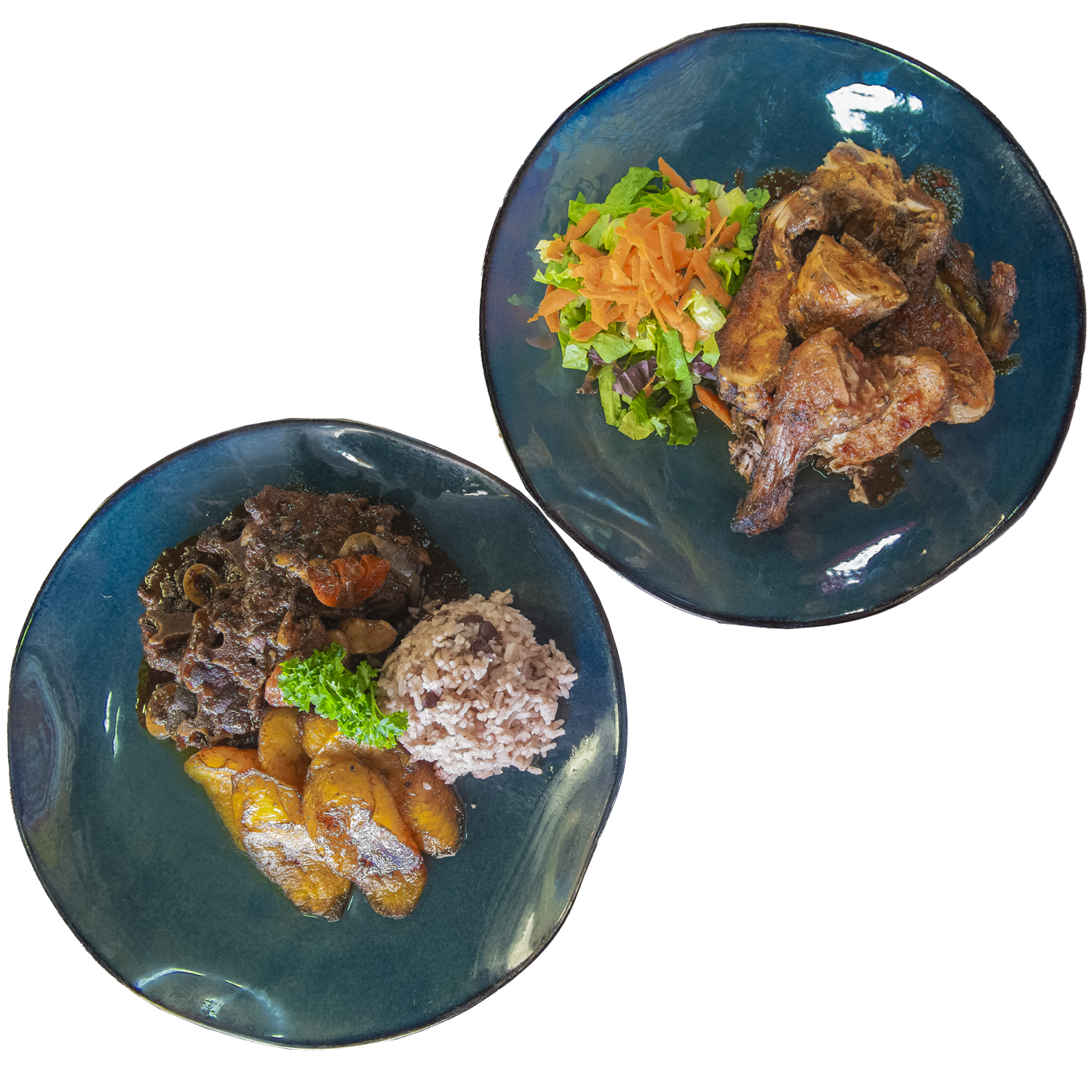
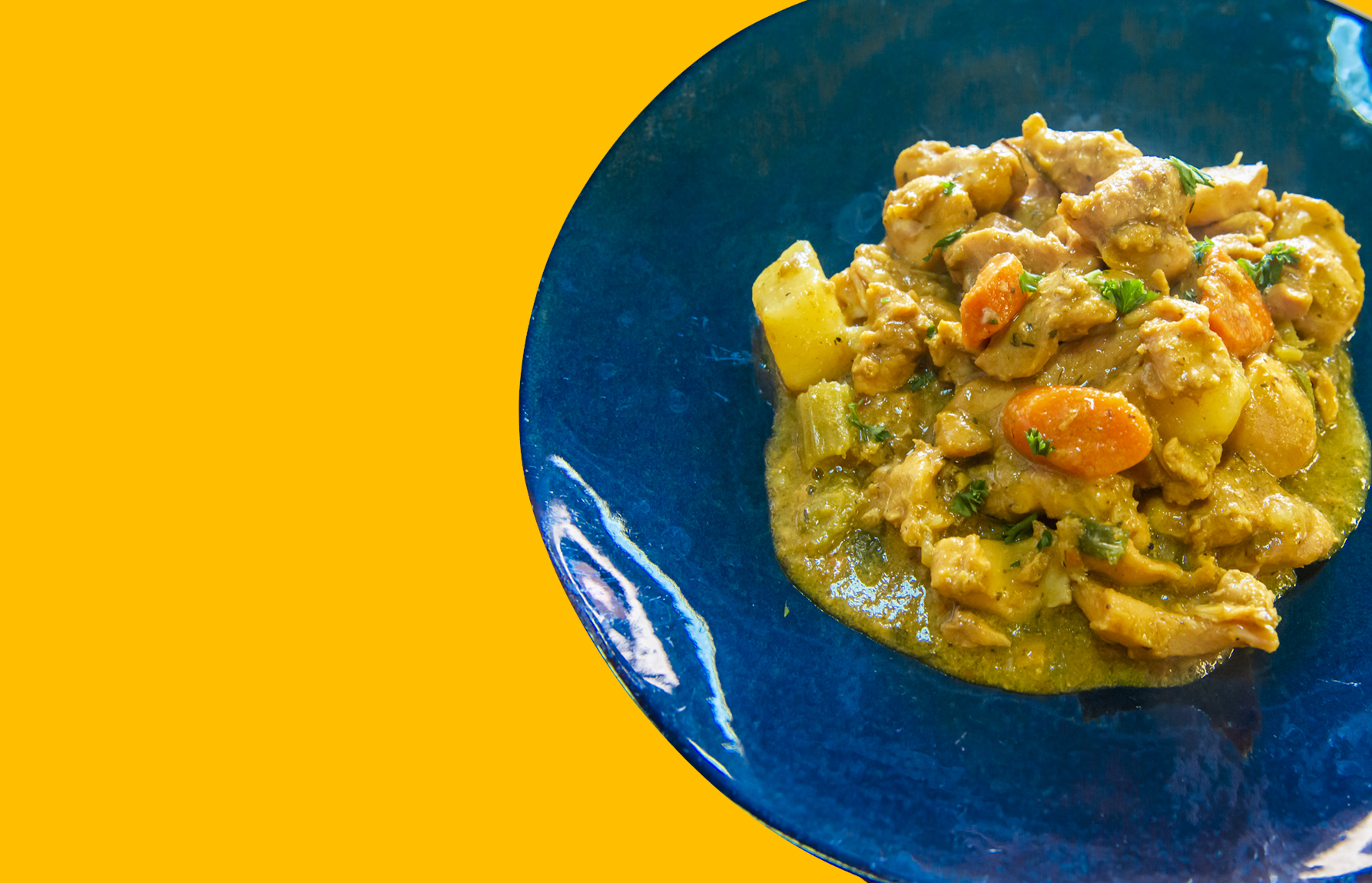
Anyone who has spent time around the region knows the scene. Somewhere, smoke from a jerk pan is drifting across a roadside. A pot of curry goat is reducing slowly, its surface stained gold and deep brown from spices and caramelized onion. Rice and peas sits beside fried plantain, escovitch fish, or oxtail so tender it barely holds its shape. These are not delicate foods, nor are they meant to be. Jamaican food speaks in bold, familiar notes, heat, allspice, thyme, scallion, Scotch bonnet, pimento wood, ginger, garlic, coconut, and browning. It is direct and layered at once.
Its popularity across the Caribbean comes from more than one source. History matters. Trade matters. Migration matters. So does the simple fact that Jamaican cooks developed a cuisine that is deeply local yet surprisingly portable. The flavors are distinct enough to stand apart, but the ingredients and techniques feel recognizable to neighboring islands. That balance helped jamaican food travel well, adapt when necessary, and still keep its character.
A cuisine shaped by survival and ingenuity
To understand why Jamaican food resonates so widely, it helps to start with how it was built. Jamaican cuisine grew from Indigenous roots, African knowledge, European colonial influence, and later Indian, Chinese, and Middle Eastern migration. That story is not unique in the Caribbean. What is striking is the way Jamaica turned this complex inheritance into a culinary language that feels coherent and unmistakable.
The African contribution sits at the heart of that language. Enslaved Africans brought techniques for stewing, seasoning, preserving, and making the most of limited provisions. They knew how to build flavor from tough cuts, how to use heat carefully, and how to cook foods that could sustain labor and family life. Ground provisions, salted fish, beans, greens, and one-pot meals became staples not because they were fashionable, but because they were practical and necessary.
Colonial trade added ingredients that are now inseparable from the cuisine. Salt cod came through Atlantic commerce and became central in dishes such as ackee and saltfish. Sugar plantation systems shaped agricultural patterns and labor arrangements, while imported spices and local herbs met in everyday cooking. Later arrivals from India helped entrench curry in Jamaican kitchens, though Jamaican curry evolved into something distinct from its South Asian ancestors. Chinese migrants contributed techniques and flavor pairings that still show up in home cooking and takeout culture.
What Jamaica did especially well was absorb influences without becoming diffuse. Instead of preserving each culinary stream in isolation, cooks blended them into dishes that made sense on Jamaican terms. That gave the food both range and identity. For neighboring islands, this mattered. Caribbean diners could taste familiar colonial histories and shared ingredients in Jamaican food, but they also recognized a stronger concentration of spice, smoke, and seasoning that felt specific.
Flavor that announces itself
One reason jamaican food became a regional favorite is simple: it is memorable from the first bite. Not every cuisine announces itself so clearly. Jamaican food often does.
Jerk is the obvious example, but it is far from the only one. Proper jerk is not just “spicy grilled meat,” a misunderstanding that became common once the style moved into mass tourism and fast casual menus. At its best, jerk is a method and a flavor architecture. The seasoning usually brings together pimento, Scotch bonnet, thyme, scallion, garlic, ginger, and salt, sometimes with cinnamon, nutmeg, brown sugar, or soy. The meat is marinated deeply, then smoked over pimento wood or charcoal until the exterior darkens and tightens while the inside stays juicy. The result is heat, sweetness, smoke, herbaceous lift, and warm spice in a single mouthful.
That kind of complexity travels. Even when a cook in another island does not have pimento wood, the central profile remains compelling. It adapts without disappearing. The same can be said for escovitch, where vinegar, onion, carrot, pimento berries, and Scotch bonnet create a sharp, bright finish that cuts through fried fish beautifully. Curry goat, another favorite far beyond Jamaica, turns relatively humble ingredients into a dish with both depth and comfort. Oxtail, stewed until gelatin, spice, and browning merge into thick gravy, wins people over with richness rather than novelty.
This matters because regional popularity often depends on repeatability. A dish can be interesting once and still never become beloved. Jamaican food keeps people coming back because the pleasure is immediate but not shallow. There is enough contrast in the food, sweet against heat, smoke against acidity, soft textures against crisp edges, to make it satisfying over time.
Shared ingredients, distinctive handling
Part of Jamaican cuisine’s success around the Caribbean lies in the overlap of pantry staples across islands. Many territories cook rice, peas or beans, coconut, plantain, cassava, sweet potato, yams, fresh fish, salted fish, goat, chicken, and pork. Thyme, scallion, ginger, hot peppers, and onion are common enough as well. So when Jamaican dishes appeared outside Jamaica, they were not built on impossible ingredients.
The difference was in handling. Jamaican cooks tend to season aggressively and build layers patiently. Meat is often washed, trimmed, rubbed thoroughly, and left to absorb spice before it ever reaches the fire. Pots are allowed to develop flavor through browning, reduction, and the slow marrying of seasonings. Gravies are not usually rushed. Rice and peas is not merely rice with legumes tossed in. When done properly, it carries coconut milk, thyme, scallion, allspice, and often a whole Scotch bonnet to perfume the pot without bursting too early.
That combination of accessible ingredients and assertive technique made the food easy to admire and practical to reproduce. In restaurant terms, that is powerful. A Trinidadian or Bahamian cook might not need to rebuild an entire supply chain to offer jerk chicken or curry goat. A home cook in Antigua or St. Lucia could understand the structure of the dish and make it work with local shopping habits. Jamaican food was not locked behind rarity. It was distinguished by skill.
The role of movement, migration, and music
Cuisine spreads when people do. Jamaican migration throughout the Caribbean and far beyond helped turn local favorites into regional staples. Workers moved. Students moved. Musicians toured. Families visited relatives. Food traveled in coolers, in recipes written down from memory, and in seasonings packed into suitcases.
Jamaica’s outsized cultural influence amplified this process. Reggae, dancehall, athletics, and tourism gave the island a visibility that few places of comparable size have enjoyed. With visibility came curiosity, and with curiosity came appetite. Visitors who first encountered Jamaican culture through music or sport often sought out the food next. The association became self-reinforcing. Jamaican patties showed up in school cafeterias, bakeries, and bus stations. Jerk moved from community cookouts to beach shacks and commercial grills. Rum bars and street vendors helped create a social setting where Jamaican flavors felt festive and communal.
This kind of spread matters because food popularity is rarely only about taste. It is also about what the food comes to represent. Jamaican food often signals energy, warmth, resilience, celebration, and a certain confidence. Even the names of dishes, mannish water, rundown, festival, speak with personality. Across the Caribbean, where food remains central to social life, that expressiveness has real appeal.
I have seen this in mixed-island gatherings where everyone defends their national dishes with conviction. The table may hold Bajan macaroni pie, Trinidadian pelau, Guyanese pepperpot, Dominican sancocho, and Haitian griot, yet the jerk pan still draws a line first. Not because the other foods are lesser, but because smoke is persuasive, and because Jamaican seasoning lands quickly on the palate. It grabs attention in a room full of strong competitors.
Street food gave it reach
Restaurant dining helped, but street food probably did more to build Jamaican cuisine’s Caribbean following. Roadside food is where a cuisine proves its practicality. If it can thrive under a zinc roof, beside a beach, outside a market, or from a late-night cart after a dance, then it has real staying power.
Jamaican food excels in these settings. Patties are portable, inexpensive, filling, and easy to understand. Their flaky crust and savory fillings make them ideal commuter food, school food, and snack food. Jerk chicken can be chopped to order and served with bread, bammy, roast breadfruit, or festival. Soup on a Saturday, whether red peas soup, chicken foot soup, or mannish water, turns cooking into community ritual. Fried fish with bammy and festival is casual enough for a beach stop yet memorable enough for a traveler to seek out again.
Street food also creates familiarity across class lines. A cuisine cannot become a favorite in a region if it remains trapped in formal dining rooms or all-inclusive hotel menus. Jamaican food moved through ordinary life. It became the thing people grabbed between errands, ate after church, bought for a lime, or brought home for the family when nobody felt like cooking. That kind of repetition builds loyalty faster than prestige ever could.
The restaurant version and the home version both work
Some cuisines lose their soul when commercialized. Jamaican food, while certainly vulnerable to shortcuts, tends to hold up better than many. That is another reason it spread so effectively.
At home, it offers the depth and comfort people want from Sunday dinner or holiday meals. Oxtail, curry goat, stew peas, callaloo, fried dumpling, and rice and peas all fit naturally into family-style eating. In restaurants, the same cuisine offers dishes that are visually appealing, aromatic, and profitable. A plate of jerk chicken with sides reads clearly to customers. A patty needs little explanation. Escovitch fish, brown stew chicken, and ackee and saltfish carry enough distinction to excite diners without being inaccessible.
There is a trade-off here, of course. Once Jamaican food entered tourism-heavy markets, some operators softened it too much. Heat was dialed down, smoke was faked, sauces became sweeter, and convenience products replaced slow preparation. That still happens. Many travelers think they know jerk when what they have eaten is grilled chicken painted with bottled sauce. Yet even diluted versions kept the door open. People who first met Jamaican flavors through simplified dishes often went on to seek the real thing.
That progression is common in food culture. Very few regional cuisines spread in their purest form first. They travel through approximations, then deepen as cooks and diners get more serious.
Signature dishes that carried the flag
Certain Jamaican foods acted as ambassadors because they were easy to love and easy to remember. Their success was not equal, but together they built the cuisine’s reputation.
- Jerk chicken and jerk pork introduced the island’s most famous seasoning method.
- Patties gave Jamaican flavor a portable, affordable form.
- Curry goat bridged Jamaican cooking with wider Caribbean affection for curried meat.
- Ackee and saltfish offered something singular, a national dish unlike anything else in the region.
- Rice and peas anchored the plate and made stronger mains feel complete.
Each of these dishes did a different job. Jerk sold excitement. Patties sold convenience. Curry goat sold comfort. Ackee and saltfish sold identity. Rice and peas sold balance. A cuisine becomes a favorite when it can satisfy several eating occasions, not just one, and Jamaican food does that unusually well.
Why it works so well with Caribbean palates
Regional appeal is never random. Jamaican food found favor because it aligns with preferences already present across the Caribbean while pushing them slightly further.
Caribbean eaters often appreciate seasoning that penetrates the food rather than sitting on top of it. They value heat, though not always the same kind or intensity. They understand slow cooking, stewing, frying, and smoking. They are familiar with starches that absorb gravy and with meals built around shared platters. Jamaican cuisine meets all of those expectations.
At the same time, it exaggerates certain pleasures in a way that feels rewarding. Jerk is smokier than many grilled preparations elsewhere in the region. Escovitch is sharper. Patties are more snackable than many home-style pastries. Even something as simple as fried plantain beside spicy meat creates a satisfying contrast that travels well from one island palate to another.
There is also a social element. Jamaican food invites abundance. It suits parties, beach gatherings, night markets, wakes, holidays, and domino games. Pots can be scaled up. Seasonings can be mixed in batches. Meat can be chopped and served fast. That makes it a natural fit for Caribbean entertaining, where food often needs to feed more people than originally expected.
Tourism helped, but locals kept it alive
It would be easy to say tourism made Jamaican food famous, but that gives too much credit to visitors and not enough to ordinary Caribbean eaters. Tourists can create visibility. They do not create staying power on their own.
What sustained Jamaican cuisine around the region was local adoption. Island residents bought the patties, copied the sauces, argued about the right amount of Scotch bonnet, and folded Jamaican dishes into their own weekly routines. Some places adapted recipes to local taste or available ingredients. Others embraced them almost intact. Either way, the food stopped being exotic and became familiar.
That shift matters. Once a cuisine crosses from visitor experience into local habit, it has truly arrived. You can see it in supermarket shelves stocked with jerk seasoning, in schoolchildren who recognize a patty before they can explain its history, and in weekend cookouts where a “jerk night” draws a crowd even outside Jamaica.
Authenticity, adaptation, and the question of what gets lost
No regional favorite spreads without changing. Jamaican food is no exception. Some of those changes are harmless, even useful. A cook on another island may substitute local pepper varieties, use available wood for smoking, or adjust cuts of meat based on price. That is adaptation in the best sense, respectful and practical.
Other changes flatten the food. Premixed seasonings can taste one-note. Overreliance on sugar dulls the sharper edges that make jerk and escovitch compelling. Cutting marination time saves labor but sacrifices depth. Ackee, which already requires careful handling and is not widely available fresh in many places, is particularly vulnerable to weak versions built around canned shortcuts and minimal seasoning.
The healthiest sign of Jamaican food’s popularity is that many diners now know the difference. They expect char on jerk. They expect curry goat to have body and aroma, not just color. They expect patties to be flaky, not soft and bready. Regional familiarity has raised standards, and that helps preserve the cuisine even as it spreads.
The emotional pull of Jamaican cooking
Not every reason for jamaican food’s popularity can be measured in ingredients or trade routes. Some of it is emotional. The food tastes like effort. It tastes like someone spent time on it.
That matters in the Caribbean, where cooking is still one of the most direct ways people show care, generosity, and pride. Jamaican dishes often announce labor plainly. You can see the long stewing in the texture of oxtail. You can smell the overnight seasoning on jerk pork. You can feel the handwork in a good patty crust or a properly fried festival. Even simple dishes carry intention.
Food with that kind of emotional readability tends to travel well because people trust it. They may not know every historical detail behind the plate, but they sense seriousness. They sense tradition. And because Jamaican food is also pleasurable in immediate, uncomplicated ways, that seriousness never feels heavy.
Why its place seems secure
Culinary fashion changes quickly, but Jamaican food has moved beyond trend status in the Caribbean. It is too integrated into daily eating, too flexible across price points, and too deeply tied to social life to fade easily.
Its strengths are durable. It can be cooked at home or sold on the street. It works for breakfast, lunch, dinner, and late-night eating. It satisfies nostalgia and curiosity at the same time. It can feed a family on a budget or anchor a celebratory feast. It appeals to children through patties and fried chicken, to traditionalists through soups and stews, and to adventurous eaters through dishes like ackee and saltfish or pepper shrimp.
The future of the cuisine will depend, as always, on cooks who care about standards. The best Jamaican food still relies on patience, judgment, and balance. Too much heat and the dish loses shape. Too little seasoning and it loses identity. Too much commercialization and the food drifts into caricature. But these are manageable risks, especially now that more diners across the Caribbean recognize what the real thing should taste like.
Jamaican food became a Caribbean favorite because it offers more than heat and hype. It gives the region a cuisine that is rooted, expressive, practical, and unforgettable. It shares enough with neighboring foodways to feel familiar, yet speaks with a voice nobody confuses for anything else. That is a rare achievement in any culinary landscape. In the Caribbean, where every island guards its kitchen with pride, it is even rarer.
Reggae Pot Jamaican Grill
2243 S Monaco St Pkwy #104
Denver, CO 80222
+1 720-410-2956
FAQ About jamaican food
What is the best Jamaican food to try in Denver?
The best choice depends on your tastes. Popular options include jerk chicken, curry goat, slow-cooked oxtail, and savory patties. Reggae Pot lists these dishes on its menu, with sides such as rice and peas and plantains. Ask the Denver team about current availability and spice levels.
Is Jamaican food very spicy in Denver?
Heat varies by dish and preparation. Jerk seasoning often includes scotch bonnet peppers alongside herbs and allspice, while other dishes may have gentler seasoning. Ask about the heat of the specific dish and any sauce before ordering.
What are some popular Jamaican snacks?
Jamaican patties are a popular snack made with flaky pastry and savory meat or vegetable fillings. Other options include fried dumplings and festival, a sweet fried dough often served with savory dishes. Availability varies, so check the current menu when ordering.