Exploring the Best Caribbean Food Denver Has to Offer
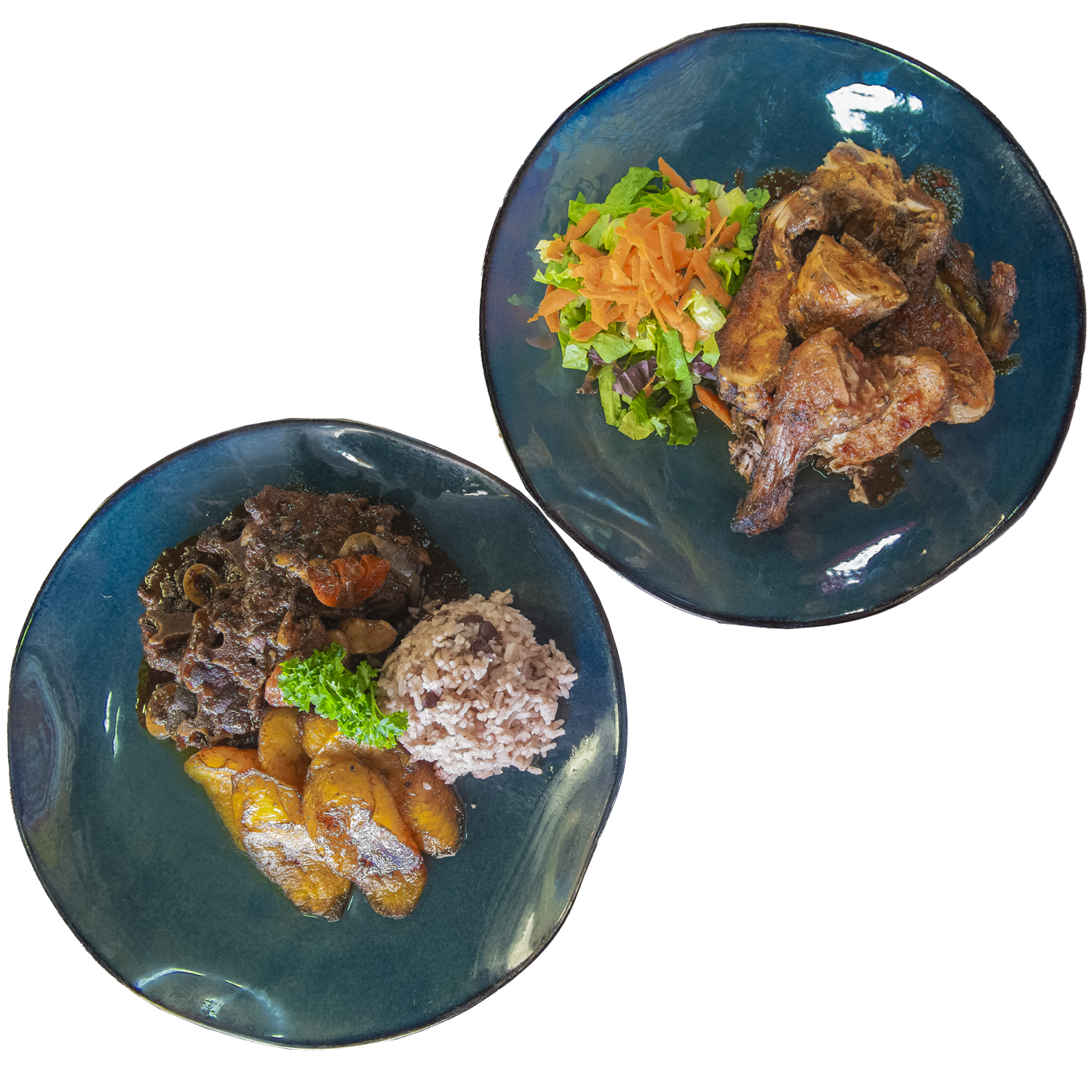
Denver is not the first American city people mention when they talk about Caribbean cooking, and that is exactly why the good spots feel so rewarding. You have to pay a little more attention here. The scene is not so large that every neighborhood has three jerk counters and a bakery turning out fresh patties all day, but it is broad enough to reward curiosity. When you find a kitchen getting the details right, the meal tends to linger in memory.
That appeal starts with contrast. Caribbean food carries heat, sweetness, smoke, acidity, and comfort in the same bite. It can be celebratory and deeply practical at once. A plate of jerk chicken with rice and peas and plantains is layered and exuberant, but it is also straightforward food, built to satisfy. A good oxtail stew takes patience and judgment. A proper mofongo asks for texture control, not just flavor. Even something as humble as a beef patty depends on timing, spice balance, and pastry that shatters instead of slumping.
For anyone searching for standout caribbean food denver diners actually return to, the best approach is not to hunt for one definitive dish or one definitive island style. The Caribbean is too varied for that. Denver’s offerings reflect that range, with Jamaican, Cuban, Puerto Rican, Trinidadian, and broader island-inspired menus appearing in different forms, from casual counters and food trucks to polished dining rooms and neighborhood cafés. Some kitchens lean heavily into grilled meats and stewed mains. Others shine through snacks, sides, and desserts.
The trick is knowing what you are looking at when it lands on the table.
What makes Caribbean food so compelling in Denver
Part of the pleasure comes from the city itself. Denver is a place where people appreciate bold, warming flavors, especially when evenings cool off and a plate of slow-braised meat feels especially welcome. Caribbean cooking also fits the city’s dining habits surprisingly well. It travels well, which matters for takeout. It offers gluten-free options naturally in many rice, bean, and plantain-based meals. It can be casual enough for lunch and rich enough for a celebratory dinner.
Still, there are trade-offs. A city with a smaller Caribbean population than places like Miami, New York, or parts of South Florida will usually have fewer highly specialized restaurants. That can mean menus designed to introduce customers gently rather than challenge them. Spice levels may be moderated. A spot may offer dishes from several islands on one menu, which can be excellent if the kitchen has range, or uneven if it is trying to do too much at once.
That is why the best Caribbean food in Denver often reveals itself through execution rather than branding. Does the chicken carry smoke all the way through, or only surface seasoning? Are the beans cooked until creamy but still intact? Do the plantains arrive caramelized and soft, or merely browned? Is the cabbage slaw fresh enough to lift the plate? These details matter more than colorful décor or a playlist that signals “island vibe.”
Start with jerk, but do not stop there
Jerk is the dish many Denver diners know first, and for good reason. When done well, it is one of the great flavor constructions in the Western Hemisphere. The marinade usually brings allspice, thyme, Scotch bonnet or similar chile heat, garlic, ginger, scallion, and often soy, vinegar, or citrus depending on the house style. Then comes the cooking method, ideally involving real smoke or at least enough char to create contrast.
A weak jerk plate tells on itself quickly. The seasoning sits on the exterior. The heat is one-note. The chicken is dry, or the sweetness pushes too hard. A strong one does something more interesting. It starts aromatic before it tastes hot. It has a savory depth that lingers. The smoke is integrated rather than theatrical. If dark meat is available, it often gives you the truest result because it handles aggressive seasoning and grilling better than breast meat.
Denver kitchens that understand jerk usually understand pacing too. The rice and peas should not be an afterthought. Properly cooked, they mellow the intensity of the chicken and carry their own gentle perfume from coconut milk, thyme, and whatever stock or aromatics the cook favors. Add ripe plantains and a pepper sauce on the side, and the plate feels complete.
What often separates a very good jerk meal from a merely decent one is restraint. The seasoning should be assertive, but the dish should still taste like chicken. It is easy to bury the main ingredient under sugar, bottled sauce, or excess salt. The best versions in Denver tend to trust the fundamentals.
The slow-cooked dishes tell you a lot about the kitchen
If you want to know whether a Caribbean restaurant has serious range, order something braised. Oxtail, curry goat, brown stew chicken, and similar long-cooked dishes reveal more about technique than a quick grill item can. They show whether a kitchen knows how to build body, balance spice over time, and respect texture.
Oxtail is the clearest test. Good oxtail should be sticky and rich, with meat that gives way easily but does not dissolve into threads too early. The sauce needs enough collagen to cling to rice, enough allium depth to avoid sweetness alone, and enough seasoning to stay lively. If the dish tastes flat or greasy, the kitchen probably rushed it or skimmed poorly. If it tastes deeply savory and almost glossy, the cook likely did things the long way.
Curry goat can be even more revealing because there is nowhere to hide. Goat needs careful handling. Done poorly, it can toughen or carry too much gamey edge. Done well, it becomes tender, earthy, and beautifully receptive to spice. Caribbean curry profiles differ from Indian curry traditions, though they are historically linked. In the best versions, the flavor is fragrant and warm, with turmeric, cumin, coriander, and often Scotch bonnet heat, but it is not muddy. Each spoonful should feel cohesive, not cluttered.
These dishes also hold up particularly well in Denver’s climate and dining patterns. They are ideal for takeout, and they often taste even better after resting. That matters in a city where many people discover new restaurants through delivery or carryout first.
Plantains, patties, and the sides that decide whether a meal is memorable
A restaurant can serve decent meat and still miss the spirit of the cuisine if the supporting pieces are careless. In Caribbean cooking, sides are not filler. They are rhythm. They give the plate shape and relief.
Take plantains. Sweet plantains should be ripe enough to caramelize naturally, with deep golden edges and a soft center that tastes almost custardy. If they arrive pale and starchy, the kitchen used fruit too early. If they are mushy and oil-logged, the fry was off. Good plantains do something subtle, they bridge savory and sweet while calming spice and adding fragrance.
Then there are patties, one of the great portable foods. A proper patty should be flaky and sturdy at once, with a filling that is well-seasoned but not watery. Beef is classic, but chicken and vegetable versions can be excellent if handled thoughtfully. The best patties in any city tend to sell out at odd times, usually because they are made in limited batches and move fast. That is often a good sign, not an inconvenience.
Rice and peas, coco bread, macaroni pie, cabbage, fried dumplings, and yuca all carry similar importance. When those components are treated with care, the restaurant usually has a strong point of view. When they are generic, the whole meal feels less rooted.
Cuban, Puerto Rican, and Trinidadian influences widen the field
Anyone typing caribbean food denver into a search bar is usually hoping for more than jerk chicken. Fair enough. One of the pleasures of eating through Denver’s Caribbean offerings is seeing how different island traditions appear on local menus.
Cuban food often introduces diners through dishes like ropa vieja, roast pork, black beans, sweet plantains, croquetas, and the Cuban sandwich. The best versions rely on balance rather than drama. A strong ropa vieja should have beef pulled into strands that remain moist and distinct, with tomato, pepper, and aromatics creating brightness around the richness. Cuban sandwiches, often oversimplified elsewhere, depend on proportion. Too much mustard and the pork disappears. Too little press on the bread and the structure fails.
Puerto Rican cooking brings another texture vocabulary. Mofongo is the dish many newcomers remember because it is both rustic and refined when done right. Green plantains are fried, mashed, seasoned, and often shaped around garlic and pork cracklings or served with broth or protein. It should be dense but not heavy, absorbent but not dry. A bad mofongo eats like paste. A good one is deeply savory, with edges of crispness and a satisfying chew.
Trinidadian food offers a different kind of pleasure altogether, especially through roti. A well-made roti combines supple flatbread with curried fillings in a way that feels both comforting and exacting. The wrap has to hold without turning leathery. The filling has to be generous without flooding the bread. Doubles, when you can find them, bring another level of contrast through chickpeas, chutney, pepper, and soft fried bara. They are messy, vivid, and worth the trouble.
Denver may not have the density of these cuisines that larger coastal cities do, but that scarcity can sharpen appreciation. When a menu includes one or two of these dishes and gets them right, it matters.
How to judge authenticity without turning it into a purity contest
The word “authentic” gets thrown around carelessly, especially in conversations about regional or diasporic food. Caribbean cooking is a perfect example of why that can be limiting. These cuisines are already products of migration, adaptation, trade, colonial history, and local ingenuity. No single plate can stand in for an entire island, let alone the region.
A better question is whether the food feels grounded. Does it seem cooked from understanding, or assembled from stereotype? There are usually clues. Menus that explain a dish clearly without flattening it tend to inspire more confidence. Sauces made in-house taste different from generic sweet heat. Stews have depth that only time produces. Sides feel integrated, not borrowed. Spice levels are adjustable, but the kitchen does not erase the dish’s identity to make it broadly marketable.
There is also room for adaptation. Denver ingredients, customer expectations, and operating costs shape menus whether anyone wants to admit it or not. A local chef may use what is freshest or most available while still preserving the soul of a dish. That is not necessarily compromise. Sometimes it is just honest cooking in a different geography.
Finding the best spots takes a little strategy
Denver diners who consistently find better Caribbean food usually follow a few common instincts. They pay attention to who is ordering. They notice whether the kitchen has a narrow lane and does it exceptionally well, or a broad menu and enough skill to support it. They return at different times of day because some dishes are strongest at lunch, others after a slow afternoon simmer.
Here are a few practical signals that often help:
- Look for a short list of house specialties rather than an overextended menu.
- Ask which dishes sell out first, especially stews, patties, and baked items.
- Do not judge a place only by mild spice on a first visit, many kitchens calibrate heat separately.
- Order at least one side that seems simple, because basics expose quality fast.
- If a restaurant offers weekend specials, pay attention, they often reflect the cook’s real strengths.
That kind of approach works in nearly every city, but it is especially useful with Caribbean food in Denver because the scene rewards repeat visits and informed ordering. Some kitchens have a dish they are known for, while others are more balanced across the menu. You learn quickly which is which.
What to order on a first visit
A first meal should give you range. You want something grilled or smoked, something slow-cooked, and at least one side that shows care. That does not mean over-ordering. It means building a plate that tells you who is in the kitchen.
If I were guiding someone new to the scene, I would steer them toward a jerk plate or roast pork if that is the house strength, one braised item like oxtail or curry goat to share, rice and peas, and ripe plantains. If patties are available and clearly made with pride, add one. That combination tells you almost everything you need to know about seasoning, texture, and balance.
Dessert can be illuminating too. Rum cake, coconut-based sweets, bread pudding, or flan are not afterthoughts when handled well. They show whether the kitchen understands sweetness in the same layered way it understands savory food. Caribbean desserts are often less showy than restaurant pastry elsewhere, but they can be wonderfully direct and satisfying.
The atmosphere matters, but not in the way people think
There is a temptation to judge Caribbean restaurants by liveliness alone. Music, bright walls, beach references, and hospitality are all welcome, but they are not the meal. Some of the best places operate in modest spaces where the room is functional and the food does the work. Others create a fuller dining experience and deserve credit for it. Neither model is inherently better.
What does matter is whether the atmosphere aligns with the cooking. A small takeout-focused spot should feel efficient, warm, and confident. A more polished caribbean food denver restaurant should still let the food lead. When style outruns substance, it shows quickly. A room can feel festive while the food tastes generic. By contrast, a plain storefront with the smell of allspice caribbean food denver and stock in the air can be unforgettable.
Denver diners tend to appreciate substance, and Caribbean restaurants that understand that often build loyal followings. People come back because a dish was good the first time, then even better the second. Familiarity matters. So does consistency.
Why Caribbean food suits Denver more than many people realize
There is an assumption that Caribbean cooking belongs only in humid coastal settings, but that misses its flexibility. These are cuisines built on preservation, braising, grilling, marinating, and layered starches, all of which translate beautifully to a city like Denver. They offer comfort without heaviness when done well. They deliver spice and brightness during winter, and char and freshness in summer.
They also fit the way many people actually eat now. A jerk bowl can work as a quick weekday lunch. A platter of oxtail, rice and peas, cabbage, and plantains can anchor a family dinner. Patties make excellent grab-and-go food. A Cuban sandwich still feels satisfying on a busy afternoon. Caribbean cuisine can be festive, but it is also practical.
That practicality should not be mistaken for simplicity. The better meals in this category are often labor-intensive. Marinades need time. Stews need time. Plantains need the right ripeness. Doughs need handling. Spice blends need memory and judgment more than strict formulas. When those pieces line up, the result feels generous in a way that is hard to fake.
A city worth exploring one plate at a time
Anyone looking for the best caribbean food denver has available should approach the search with appetite and patience. This is not a scene best measured by sheer volume. It is better measured by moments of excellence, a beautifully smoked piece of jerk chicken, an oxtail sauce with real depth, a roti that holds together until the last bite, a side of plantains that tastes exactly as ripe as it should.
That kind of food does more than satisfy hunger. It conveys place, memory, migration, and technique without needing to announce any of it. You taste history in the allspice, practicality in the rice and beans, celebration in the fried dough, and discipline in every good braise. Denver may ask you to look a bit harder for those experiences than some larger markets do, but the search is part of the pleasure.
When you find a Caribbean kitchen here that cooks with clarity and conviction, you know it quickly. The plate is balanced. The seasoning is confident. The food feels alive. And once you know where that level of care exists, Denver starts to look a lot richer than its reputation suggests.
Reggae Pot Jamaican Grill
2243 S Monaco St Pkwy, Suite 104
Denver, CO 80222
(720) 410-2956
FAQ About caribbean food denver
What is a typical Caribbean meal?
Caribbean cuisines vary by island. A Jamaican meal might pair jerk chicken or oxtail with sides such as rice and peas, cabbage, or fried plantains.
What is Jamaica’s national dish?
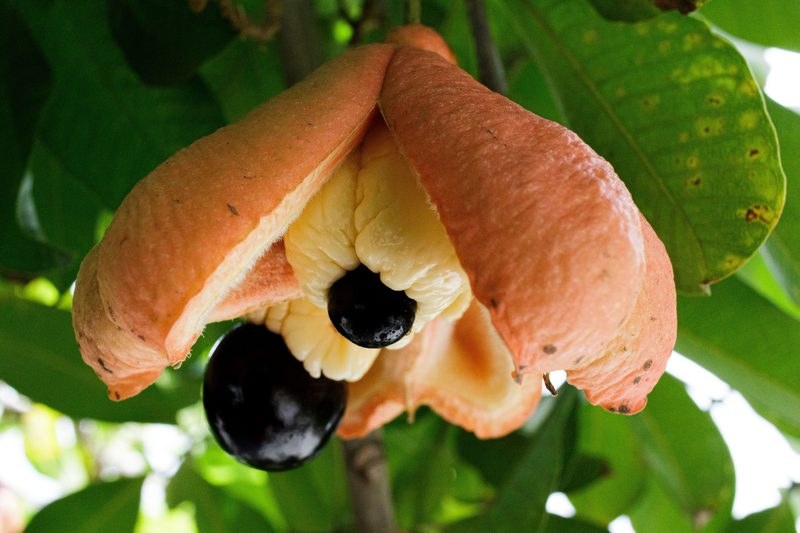
Ackee and saltfish is widely recognized as Jamaica’s national dish. Check the current menu for availability.
Is Caribbean jerk the same as Jamaican jerk?
Jerk is a Jamaican cooking tradition associated with seasoning and slow cooking or grilling. The exact heat level and preparation vary by cook.