Caribbean Food Denver: Best Local Spots for Big Flavor
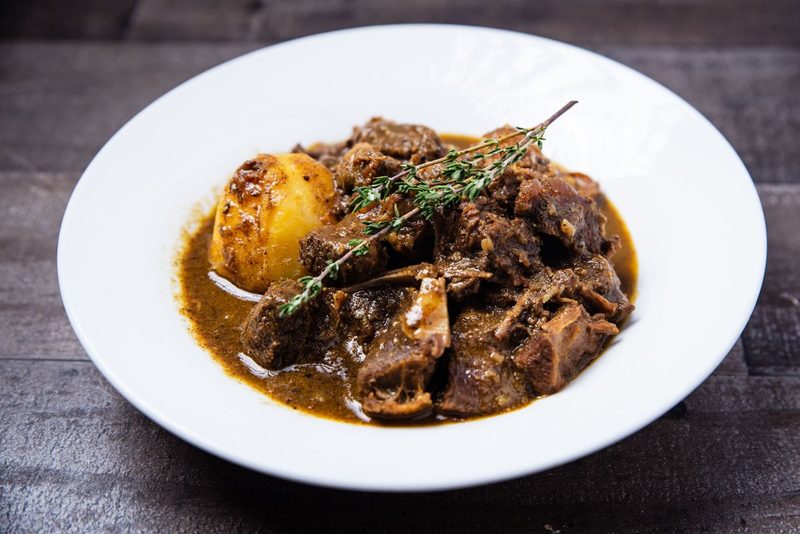
Denver is not the first American city most people associate with Caribbean cooking, and that is exactly why the good places matter so much. When you find a kitchen that gets the balance right, smoke, heat, allspice, citrus, sweetness, slow braise, fresh herbs, it stands out immediately. Caribbean food has a way of cutting through sameness. A plate of jerk chicken or ropa vieja does not feel interchangeable with anything else on the block.
The search for great caribbean food denver diners can count on takes a little more effort than it would in South Florida or parts of New York. The scene here is smaller, more scattered, and often folded into the broader restaurant mix rather than clustered in one neighborhood. That can make it harder to navigate, but it also means the places that endure usually do so because they have built real loyalty. They are not surviving on novelty alone. They are feeding regulars.
What follows is a practical guide to where the city and nearby metro area deliver real Caribbean flavor, what each place tends to do well, and how to order with some confidence if you are new to the cuisine.
What “Caribbean food” means in Denver
Before getting into restaurants, it helps to be precise about terms. Caribbean cuisine is not one thing. It is a region made up of many islands and culinary traditions shaped by African, Indigenous, Spanish, French, British, Indian, Chinese, and Middle Eastern influences. In Denver, the most visible presence is usually Cuban food, with a smaller but meaningful showing from Jamaican kitchens and other island traditions.
That matters because expectations can trip people up. If you walk into a Cuban café looking for a Scotch caribbean food denver bonnet-heavy jerk plate, you are in the wrong lane. If you step into a Jamaican spot expecting a pressed Cuban sandwich and black beans, same problem. Good Caribbean dining starts with understanding the style of the house.
Denver’s altitude also changes small things in restaurant life. Fried foods can behave differently, braises take patience, and produce quality shifts with the seasons. A kitchen that still puts out tender oxtail, crisp plantains, and rice with distinct texture in this environment is doing skilled work, not just following a recipe.
Cuba Cuba Café & Bar still earns its reputation
If you ask longtime Denver diners where to start, Cuba Cuba Café & Bar usually enters the conversation quickly, and for good reason. It has had staying power in a city where concepts turn over fast. More important, it has introduced a lot of locals to Cuban and broader Caribbean flavors in a setting that feels celebratory rather than stiff.
The menu leans into dishes that travel well across audiences without flattening them. You will see the familiar crowd-pleasers, mojitos, pressed sandwiches, roast pork, black beans, plantains, but the better measure of a place like this is whether the food has depth beyond the first bite. At its best, the garlic comes through clearly, the pork tastes marinated rather than merely salted, and the beans feel cooked as a component of the meal rather than an afterthought ladled from a steam table.
Ropa vieja is often the safest order for a first visit. It is one of those dishes that tells you a lot about a kitchen’s standards. Good ropa vieja should be deeply savory, with shredded beef that holds its texture instead of collapsing into mush. The tomato base should support the meat, not drown it. Rice and beans on the side are not filler if they are seasoned properly, and a few sweet plantains can bring the whole plate into balance.
Cuba Cuba also works for groups, which is not a small advantage. Caribbean food is generous food. It tends to shine in meals where people are passing bites around, comparing sauces, and arguing over who got the best side dish. A restaurant that understands that social rhythm tends to create repeat customers.
The case for Cuba Cuba Sandwicheria
Not every good Caribbean meal needs to be a sit-down production. Sometimes what you want is something fast, direct, and satisfying enough to carry you through the rest of the day. That is where Cuba Cuba Sandwicheria has usually made sense for Denver diners.
The compact format can fool people into thinking it is just a lunch stop, but a strong Cuban sandwich shop is doing serious technical work. The bread matters. The press matters. The ratio of roast pork to ham to cheese to mustard to pickles matters. A bad Cuban sandwich becomes greasy and flat in a hurry. A good one is all contrast, crisp exterior, melting center, salt against acid, richness against crunch.
If you are measuring value as much as atmosphere, this kind of place often wins. Denver is not cheap, and meals that feel distinct without becoming special-occasion expensive deserve attention. For office workers downtown, people heading to a game, or anyone who wants a quick read on how Cuban flavors fit into the city’s everyday dining life, a strong sandwicheria is as useful as a full-service restaurant.
The sides can be telling here too. Yuca, plantains, and black beans are not glamorous menu items, but they separate committed kitchens from concept-driven ones. Even in a quick-service setting, those sides should taste like someone cared.
Jamaican food is where Denver gets bold
When Denver’s Caribbean scene gets truly punchy, it is usually through Jamaican cooking. Jerk seasoning, curry goat, brown stew chicken, patties, coco bread, these are the dishes that wake up your palate and remind you that spice can be layered, not just hot.
Restaurants in the metro that specialize in Jamaican food can be a little less predictable in format than the city’s Cuban mainstays. Some operate more like takeout counters than polished dining rooms. That should not scare you off. In fact, in many cities the best Caribbean food arrives in a foam container with a pile of rice and peas and a warning that the sauce stains everything. Presentation is secondary. Flavor is the point.
A place like Reggae Pot has drawn attention from Denver-area diners looking for that style of meal, and its appeal is easy to understand. Jamaican food is built for appetite. Properly done jerk chicken should carry smoke, thyme, scallion, allspice, and chile heat in layers. The outside needs char, not just grill marks. Inside, the meat should stay juicy. Rice and peas should absorb flavor from coconut milk and seasoning rather than sitting there as plain starch.
Goat is another good test. Curry goat can be one of the best orders on any Caribbean menu, but only when the meat is cooked until tender and the gravy has body. Undercooked goat is punishing. Overseasoned curry can become muddy. When a kitchen gets it right, though, the dish has a kind of slow, resonant richness that lingers long after the plate is gone.
What to order if you want the fullest picture
If you only have one or two chances to explore caribbean food denver restaurants offer, order in a way that lets you taste the range of the cuisine instead of locking into one familiar item. The smartest move is to mix a braise, a grilled or roasted protein, and at least one starch that carries seasoning.
Here is a strong first-round lineup for most Caribbean menus:
- Ropa vieja or roast pork, if you are in a Cuban restaurant
- Jerk chicken or brown stew chicken, if you are in a Jamaican restaurant
- Rice and beans or rice and peas, to judge the fundamentals
- Sweet plantains or fried yuca, for texture and contrast
- A patty, sandwich, or house specialty if the place is known for it
That combination tells you a lot very quickly. You get to taste marinade, smoke, braising skill, starch preparation, and whether the kitchen respects side dishes as part of the meal rather than decoration.
The sides matter more than people think
One of the easiest mistakes first-time diners make is treating side dishes like background noise. In Caribbean cooking, sides often carry memory and identity just as much as the main protein. A plate can rise or fall on rice, beans, plantains, slaw, yuca, or fried dough.
Take plantains. Sweet plantains should not just be sugary and limp. At their best, they have dark caramelized edges, a custardy center, and enough structure to stand on the fork. Fried yuca should feel hearty and earthy, with a crust that gives way to a fluffy interior. Rice and peas, whether made in a Jamaican style or another regional variation, should be fragrant and cohesive, not dry and disconnected.
Beans are another quiet indicator. Well-made black beans have depth from aromatics and time. They should be brothy without being watery. In a city where many kitchens rush what they can, beans reveal patience. I have had plenty of meals where the entrée was solid but forgettable, while the beans kept me thinking about a return visit.
Denver’s Caribbean scene is smaller, but that can work in your favor
There is a practical upside to a modest dining scene. Restaurants do not have the luxury of coasting on trend cycles for long. If a Caribbean restaurant in Denver builds a real following, it usually does so because the food lands consistently and the owners understand their audience.
You also tend to see more menu adaptation without total compromise. That can be a good thing. Not every restaurant can source ingredients in Colorado exactly as they would in Miami or Kingston. The smart kitchens know when to adjust and when to hold the line. Scotch bonnet availability may vary. Bread from one supplier may behave differently than another. What matters is whether the final dish still tastes intentional.
This is where experience shows. Anyone can write “jerk” on a menu. Not every cook understands that jerk is a method and profile, not just a spicy glaze. The same is true for Cuban sandwiches, stewed beans, and braised meats. Denver’s better Caribbean spots know the difference, and regulars notice.
How to judge a Caribbean restaurant on the first visit
A first meal can tell you a lot if you pay attention to a few details. You do not need to overthink it, but certain signals repeat themselves.
The smell when you walk in matters. You want evidence of cooking, toasted spices, roasted meat, garlic, onions, something lived-in and savory. If the room smells mostly of fryer oil and sweet cocktails, that does not automatically mean the food will be poor, but it is not the most promising start.
Watch what happens to the rice on the plate. Good rice absorbs sauce while keeping its own identity. Bad rice turns into blank filler. Look at the plantains. They should not be pale. Taste the beans before salting them. Most importantly, pay attention to whether the protein tastes like it was seasoned before cooking, not after.
Service can also shape the experience more than people admit. The best Caribbean spots often have staff who are comfortable steering guests toward the right dish. If someone tells you the oxtail is especially good that day, listen. If the curry goat is out, take that as a sign the kitchen made a finite amount and sold through it, not as a personal inconvenience.
Where Denver diners often go wrong
The most common mistake is expecting every Caribbean restaurant to function like a generic “island food” category. That mindset flattens the distinctions that make the cuisine worth seeking out. Cuban food has one personality. Jamaican food has another. A Haitian or Trinidadian kitchen, if you find one, will present still different rhythms of flavor.
Another mistake is ordering timidly. Caribbean food rewards appetite and curiosity. If you always default to the safest sandwich or grilled chicken plate, you can miss the dishes that define the house. Braises, stews, curries, and slow-cooked cuts are often where the kitchen shows its hand.
Timing matters too. Some foods simply eat better earlier in service or on certain days. Patties lose something if they have been sitting too long. Fried sides are best when traffic is steady and the oil is fresh. A busy lunch can be a better time to gauge a place than a sleepy midafternoon lull.
The best occasions for Caribbean food in Denver
One reason Caribbean food works so well in Denver is that it bridges moods. It fits celebratory dinners, quick lunches, cold-weather comfort eating, and summer patio meals with equal ease. Cuban food, with its pressed sandwiches, roast pork, and mojitos, can feel social and bright. Jamaican food, with its deep spices and braises, can hit like comfort food on a snowy evening.
It is also one of the better choices for mixed groups. People who want heat can usually find it. People who prefer milder flavors can stick to roast meats, beans, rice, and sweet plantains. Vegetarians may not always have broad choices at every restaurant, but many places offer enough sides and meatless staples to assemble a satisfying meal.
This versatility is one reason the cuisine has staying power even without a huge footprint in the city. It meets people where they are.
A few practical tips before you go
The smartest way to approach Caribbean dining in Denver is to stay flexible. Menus change, family-run restaurants keep their own hours, and some of the best dishes sell out.
Keep these habits in mind:
- Check the current menu before leaving home, especially for smaller spots
- Ask what the kitchen is known for instead of guessing
- Do not skip the sides, they are often half the meal
- If you like spice, ask how the house handles heat rather than assuming
- Go with at least one other person if you want to taste broadly
That last point is the simplest and maybe the most important. Caribbean food is better when shared. A table with one sandwich, one braised dish, a side of plantains, beans, rice, and something fried gives you a much truer read on a restaurant than a single entrée ever will.
The local picture right now
Denver’s Caribbean options are still selective rather than sprawling. You are not dealing with a neighborhood full of competing island restaurants on every block. But the upside of a smaller field is clarity. A handful of places have emerged as reliable choices because people keep going back, not because search results say they should.
If you want the broadest appeal and the easiest entry point, Cuba Cuba remains a sensible place to start. If you want a faster Cuban fix, the sandwicheria format has real value. If you are chasing bigger spice, smoke, and braise-driven comfort, seek out Jamaican cooking in the metro and order beyond the obvious.
The best caribbean food denver offers may require a little intention, but that is often true of the most rewarding meals in this city. Denver is at its best when you dig one layer deeper than the headline spots. Caribbean restaurants fit that pattern perfectly. Find the kitchen that takes its marinades seriously, cooks its beans with care, and treats plantains like they matter. Once you do, the city starts to taste larger than people assume.
And that, more than trend or hype, is what makes these local spots worth your time.
Reggae Pot Jamaican Grill
2243 S Monaco St Pkwy, Suite 104
Denver, CO 80222
(720) 410-2956
FAQ About caribbean food denver
What is a typical Caribbean meal?
Caribbean cuisines vary by island. A Jamaican meal might pair jerk chicken or oxtail with sides such as rice and peas, cabbage, or fried plantains.
What is Jamaica’s national dish?
Ackee and saltfish is widely recognized as Jamaica’s national dish. Check the current menu for availability.
Is Caribbean jerk the same as Jamaican jerk?
Jerk is a Jamaican cooking tradition associated with seasoning and slow cooking or grilling. The exact heat level and preparation vary by cook.